
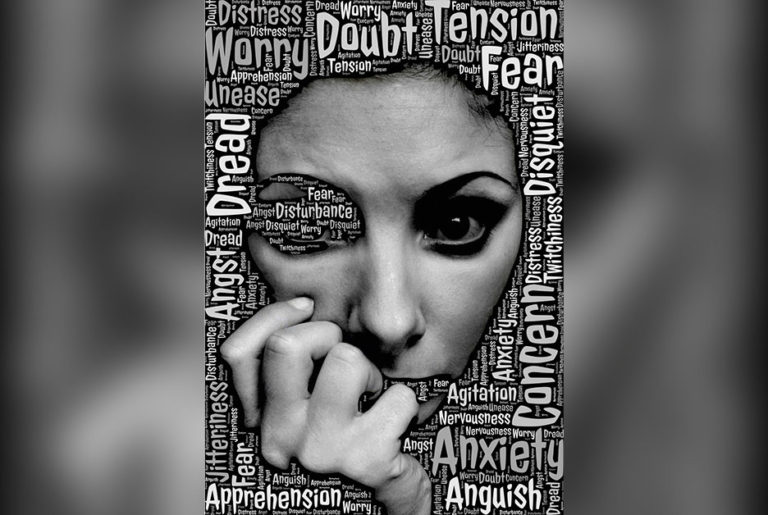
Accept uncertainty
The inability to tolerate uncertainty plays a huge role in anxiety and worry. Chronic worries can’t stand doubt or unpredictability. They need to know with 100 percent certainty what’s going to happen. Worrying is seen as a way to predict what the future has in store – a way to prevent unpleasant surprises and control the outcome. The problem is, it doesn’t work.
Thinking about all the things that could go wrong doesn’t make life any more predictable. You may feel safer when you are worrying, however, it’s just an illusion. Focusing on worst-case scenarios won’t keep bad things from happening. It will only keep you from enjoying the good things you have in the present.
Cognitive Distortions that add to anxiety, worry and stress.
All-or-nothing thinking Looking at situations in black-or-white categories, with no middle ground (“If I fall short of perfection, I am a total failure.”)
Overgeneralisation Generalising from a single negative experience, expecting it
to hold true forever (“I didn’t get hired for the job. I’ll never
get any job.”)
The mental filter Focussing on the negatives while filtering out all the positives.
Noticing the one thing that went wrong, rather than all the things that went right.
Diminishing the positive Coming up with reasons why positive events do not count
(“I did well on the presentation, but that was just luck.”)
Jumping to conclusions Making negative interpretations without actual evidence. You
act like a mind reader (“I can tell she secretly hates me.”)
Catastrophizing Expecting the worst-case scenario to happen (The pilot said we
are in for some turbulence. The plane is going to crash!”)
Emotional reasoning Believing that the way you feel reflects reality (“I feel frightened right now. That must mean I am in real physical
danger.”)
